Gas Line Installation in Bend, OR
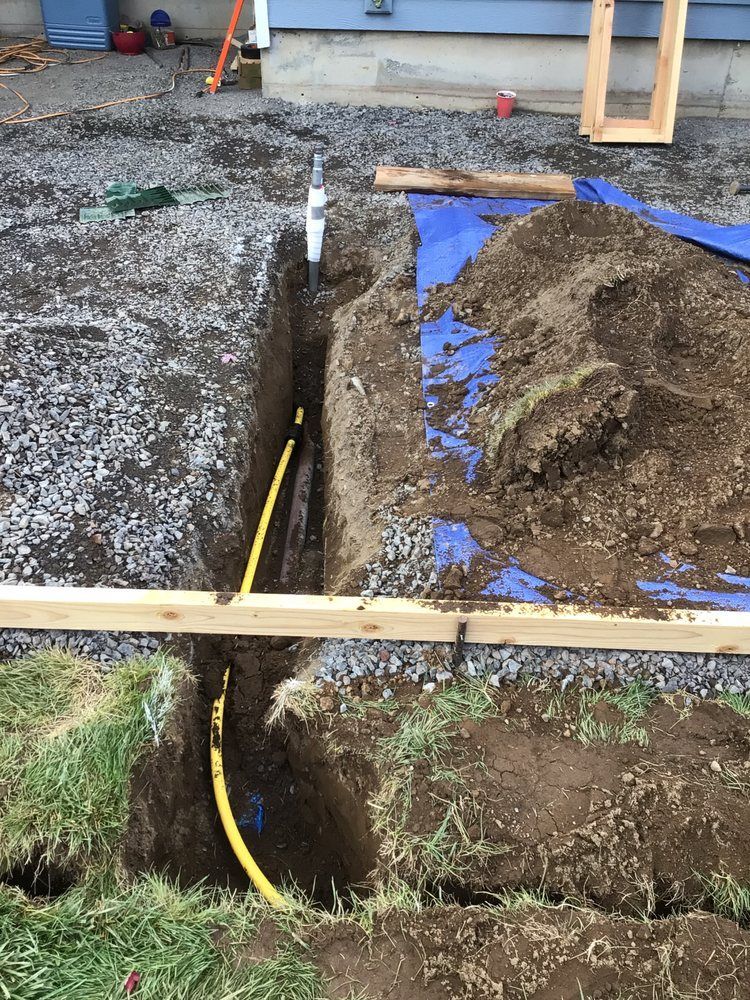
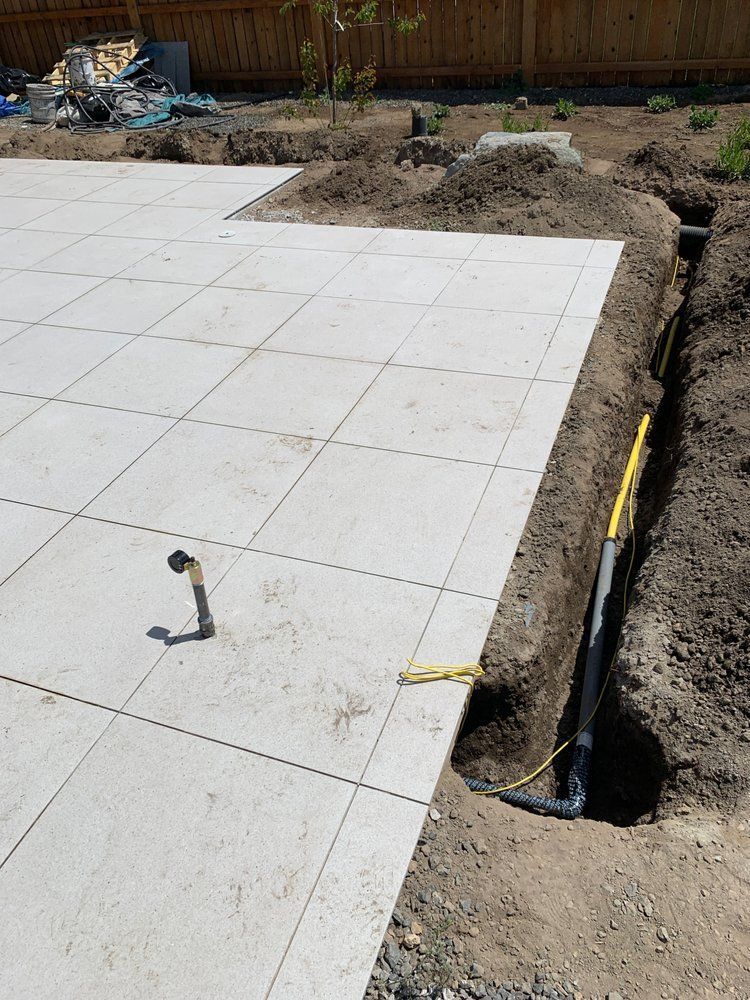
Safe Gas Lines Installed for Reliable Performance
Adding a gas range, an outdoor fire feature, or a heater in the shop sounds simple until the sizing calculations start. Every appliance on a system draws from the same supply, and a line that worked perfectly well for two appliances can easily starve four. Stark Plumbing installs and extends gas piping across Bend, OR, and throughout Sunriver, Redmond, and Sisters, sizing each run against the total connected load rather than guessing at it.
Gas work is permitted and inspected for good reason, and we treat that process as part of the job rather than an obstacle. Our licensed and insured plumbers bring 28+ years of gas experience, work under Oregon CCB #222421, and pressure test every installation before it goes into service. Financing is available on larger projects. Tell us what you want to connect through our contact page and we will schedule a site visit.
Gas Lines We Install
New Gas Line Runs
Fresh piping gets routed from the meter or tank to wherever the appliance lives, sized for the full load it will carry. We support the run properly, protect it where it passes through framing, and leave an accessible shutoff at the end.
Appliance Connections and Extensions
Ranges, dryers, fireplaces, and heaters each need the right connector, a shutoff within reach, and a sediment trap where code requires one. We make the connection, verify the appliance fires correctly, and check for leaks at every joint we touched.
Outdoor Fire Pit and Grill Lines
Running gas outside means burial-rated pipe, correct depth, tracer wire, and a riser that resists corrosion and moisture. We handle the trenching and the terminations so your patio feature works reliably instead of only during the first summer.
Gas Leak Testing and Repair
If you smell gas or a bill jumps without explanation, we isolate sections and pressure test until the leak is located. Repairs replace the failed section rather than patching it, and the whole system gets retested before service is restored.
Meter to Appliance Piping
The full path from the utility meter through the building to each appliance gets reviewed, not just the new branch. Undersized existing trunk lines are the most common reason a newly added appliance underperforms, and we catch that before installation.
Permits, Pressure Tests and Inspections
Every job gets the required permit, a documented pressure test held for the specified duration, and a scheduled inspection. We meet the inspector on site, answer the questions, and hand you the paperwork that proves the work was done correctly.
Why Professional Installation Matters for Safety
Safe, Documented Installations
A permitted, pressure-tested, inspected gas line is a documented one. That record matters for insurance, for resale, and for your own peace of mind, because gas piping is not something anyone should have to take on faith.
Room for Future Appliances
Sizing the trunk for what you might add later costs very little now and saves an entire project afterward. A generously sized run means the next fireplace, generator, or patio heater is a simple branch rather than a rebuild.
Steady Pressure at Every Burner
Correctly sized pipe delivers full input to each appliance even when several run at once. Burners hold their flame, water heaters recover on schedule, and nothing drops off because the furnace happened to fire at the same moment.
Lower Fuel Costs
Gas appliances typically cost less to operate than electric equivalents where natural gas service is available. Converting a range, dryer, or heating appliance shifts that load onto the cheaper fuel and shows up on the utility bill each month.
Fewer Nuisance Shutdowns
Undersized or leaking lines cause pilot outages, error codes, and appliances that quit for no obvious reason. Correcting the supply eliminates that whole category of frustrating, hard-to-diagnose problems that usually get blamed on the appliance itself.
Verified Leak-Free Connections
Every joint we make gets tested under pressure before the system is put into service, not simply checked with soap and a hopeful glance. Nothing goes live until that gauge holds perfectly steady for the full required duration.
Gas Work You Can Point an Inspector At
Gas piping is the one system where good enough is genuinely not enough. Correct sizing, approved materials, a real pressure test, and a signed inspection are what separate a line you can safely forget about from one that quietly worries you every winter. Stark Plumbing has been installing, extending, and testing gas systems throughout Bend, OR for decades, and we would rather upsize a run today than diagnose a starving appliance next winter. Tell us what you are hoping to connect through our contact page, and we will get out to size the job properly and quote it.
Frequently Asked Questions
What type of pipe is used for residential gas lines?
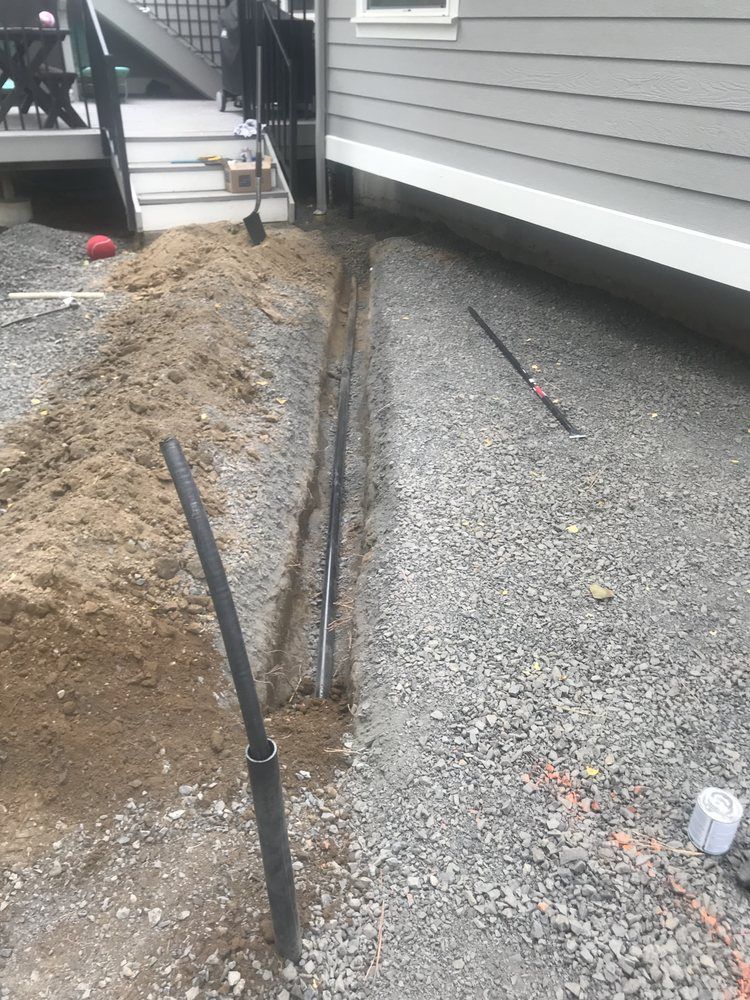
Black iron pipe remains the standard for interior runs, with corrugated stainless tubing used where flexibility helps. Buried outdoor lines require plastic or coated pipe rated for direct burial, since uncoated black iron corrodes underground far too quickly to be safe.
Can a gas line be run outside for a grill or fire pit?
Yes, and it is one of the most popular additions we install. The line needs burial-rated material, adequate depth, tracer wire for future locating, and a properly protected riser at the point where it emerges above the ground surface.
How long does it take to install a gas line?
A short appliance extension often takes a single day, while a long run through finished space or an outdoor trench can take two or three. Permit timing and inspection scheduling usually influence the calendar more than the labor does.
Can a gas line be extended for a new appliance?
Frequently yes, provided the existing pipe carries enough capacity for the added load. We calculate total demand across every connected appliance first, because tapping into an already marginal line creates problems throughout the whole system rather than one.
How is a gas line pressure tested?
The section is isolated, charged with air to a specified pressure, and monitored on a gauge for a set period with no drop allowed. Stark Plumbing documents that test and hands the paperwork over for every gas job in Bend, OR.
Can a gas line be buried in the yard?
Yes, using material approved for burial at the depth local code requires, with tracer wire installed alongside so it can be located later. Uncoated interior pipe is never acceptable underground, regardless of how it looks on installation day.
Who connects the gas meter after installation?
The utility handles the meter itself, and it typically will not energize service until the permitted work passes inspection. Stark Plumbing coordinates that sequence for gas projects across Bend, OR so the handoff happens without a wasted week.
Does a gas line need to be bonded or grounded?
Corrugated stainless steel tubing requires bonding to the electrical grounding system, which reduces damage risk from a nearby lightning strike. We install that bond as a standard part of the work and confirm it during the inspection process.
What our customers have to say...
Testimonials