
Gas Water Heater Replacement in Bend, OR
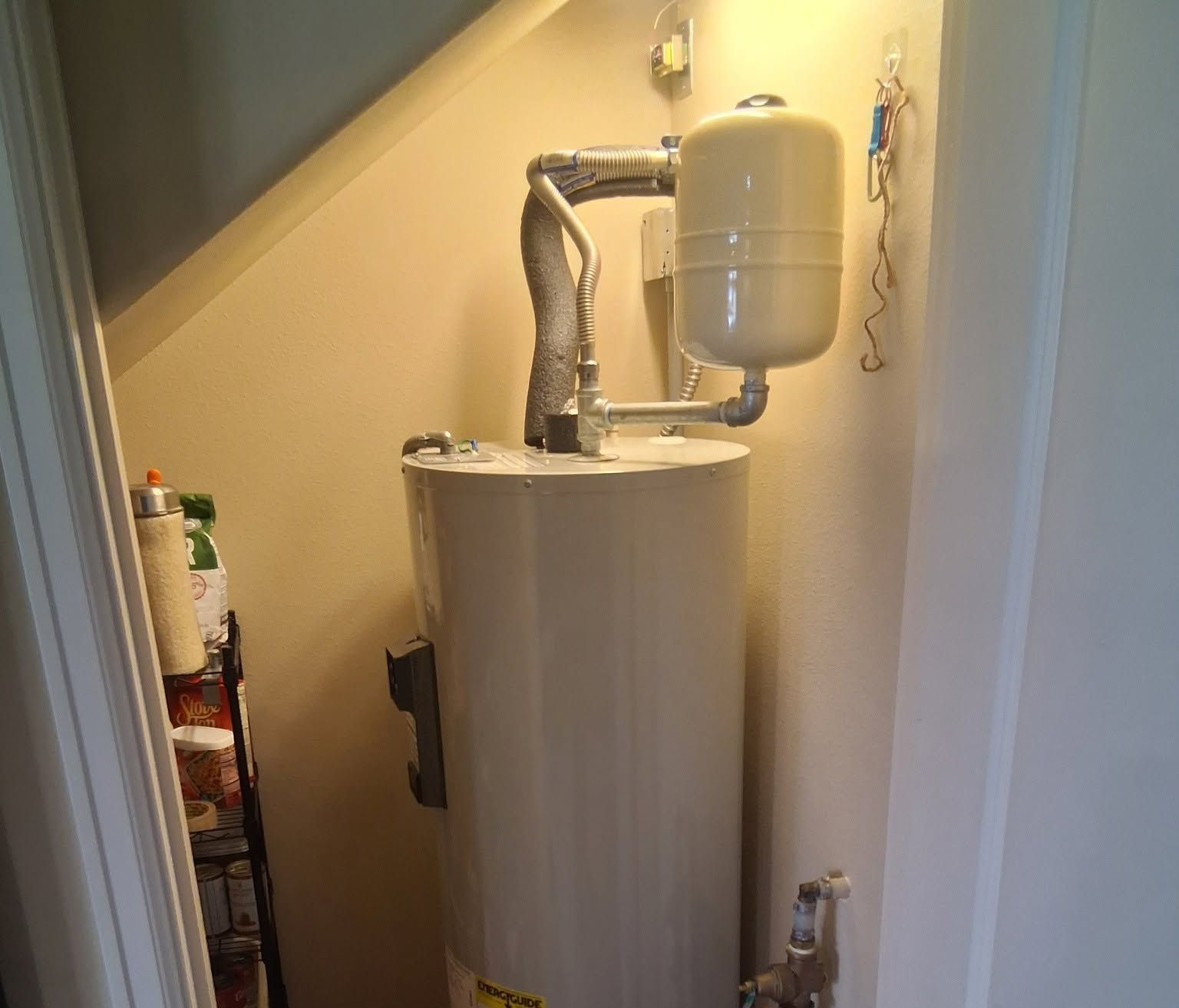
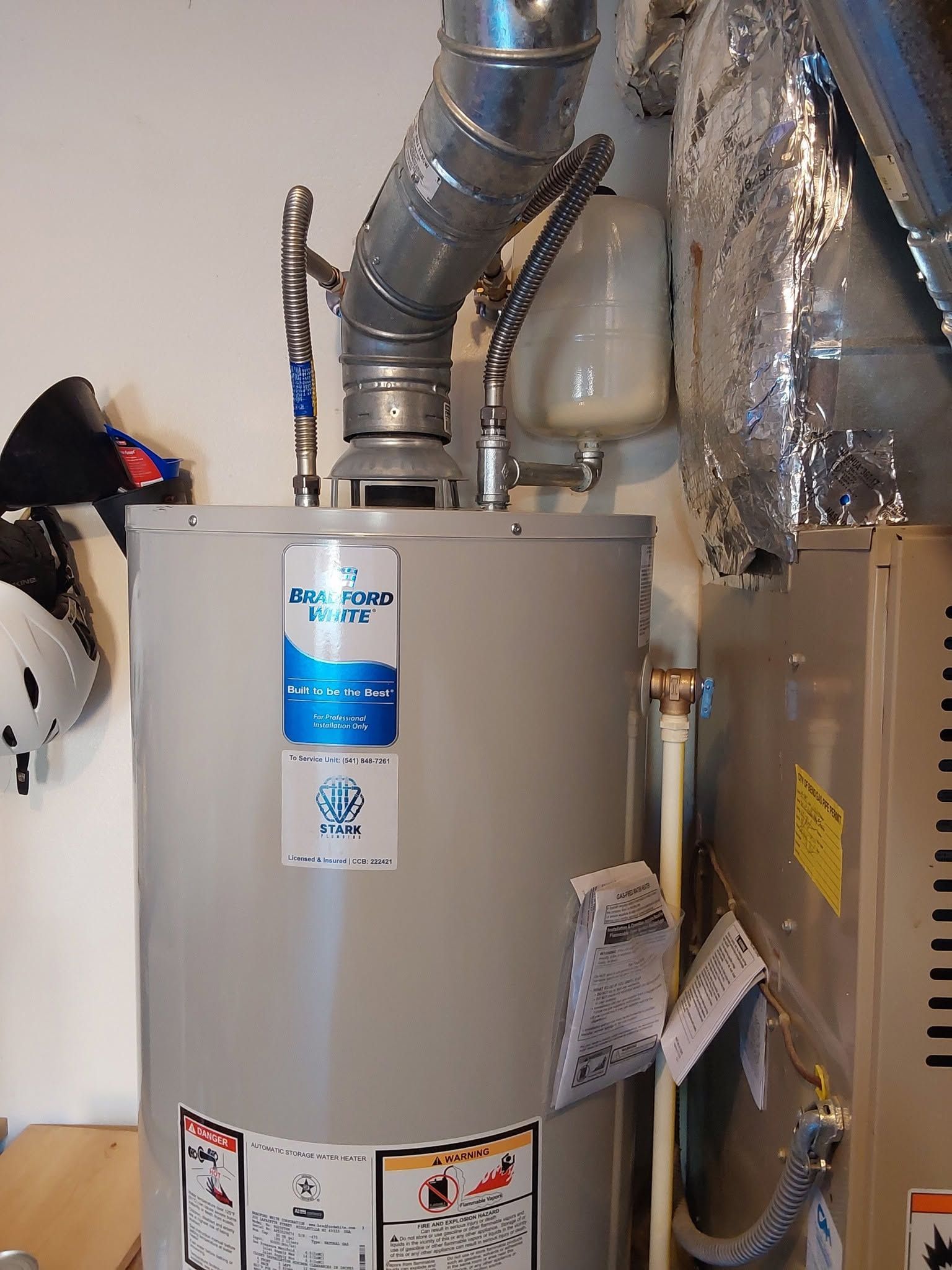
Restore Dependable Hot Water With a New System
Gas water heaters recover faster than electric ones, which is exactly why a failing unit gets noticed so quickly. When the burner short-cycles, the vent draws poorly, or rust appears at the base, the safe answer is replacement rather than another patch. Stark Plumbing handles gas water heater replacement across Bend, OR, and throughout Sunriver, Redmond, and Sisters, with every installation checked for draft, clearance, and gas volume.
Combustion equipment leaves no room for approximation. We verify vent sizing and slope, confirm adequate combustion air, pressure test the gas connection, and check draft under real operating conditions before the job is called finished. Our licensed and insured crew brings 28+ years of Central Oregon experience and works under Oregon CCB #222421. Offsite estimates for a standard replacement are often available from photos you send us. Get in touch through our contact page and we will take it from there.
Gas Water Heaters We Replace
Atmospheric Vent Tank Replacement
Standard gas tanks rely on natural draft, which makes vent sizing, slope, and clearances critical. We replace the unit, correct any deficiencies in the existing flue connection, and verify draft with the appliance running before closing out the job.
Permitting and Code Compliance
Every water heater we install is permitted with the local building authority and inspected before we close the job out. We pull the paperwork, meet the inspector on site, and hand over the signed permit, so the installation is documented for insurance, resale, and whoever services the unit next.
Venting and Draft Correction
Undersized flues, sagging connectors, and shared venting with a furnace cause spillage that nobody notices. We inspect the full vent path, correct the problems we find, and confirm that combustion products leave the building the way they should.
Gas Supply and Shutoff Upgrades
A new appliance deserves a sound connection. We verify line sizing against total load, replace tired shutoff valves and flexible connectors, install a proper sediment trap, and pressure test the assembly before the burner is ever lit for the first time.
Expansion Tank Installation
Heated water expands, and a closed system needs a place for it to go. We size and charge the expansion tank to your incoming pressure, mount it properly, and pipe the relief valve discharge to a safe termination point.
Removal and Haul Away
The old tank leaves with us the same day. We drain it, protect the flooring along the path out, and take care of the recycling so the replacement project ends with a clean space rather than a lingering chore.
Why Replacement Improves Reliability and Performance
Fast Hot Water Recovery
Gas burners reheat a tank noticeably faster than electric elements, which matters when several people need hot water in a short window. Recovery keeps pace with real household routines instead of forcing everyone in the house to take turns waiting.
Safer Combustion and Venting
A correctly installed vent carries exhaust gases outside every time the burner fires. Verified draft, proper clearances, and sound connections eliminate the quiet spillage risk that older or improvised installations sometimes carry for years without anyone noticing at all.
Lower Operating Costs
Natural gas typically heats water for less than electricity in this region, and a modern tank wastes far less through its jacket. The combination shows up as a smaller utility bill month after month without any change in habits.
Fewer Sediment Failures
A fresh tank interior heats evenly, without the insulating layer of mineral scale that makes an aging burner work overtime. That means less rumbling, better efficiency, and considerably more usable capacity from exactly the same physical footprint as before.
Dependable Winter Performance
Incoming water gets cold here, and a tired heater struggles exactly when demand peaks. New equipment with a correctly matched burner holds its temperature through the coldest stretch instead of surrendering halfway through the second shower of the morning.
Cleaner Installation Finish
Straight connections, proper supports, a serviceable shutoff, and a tidy vent run make future maintenance simple. The next technician who opens that closet, including ours, can see and reach everything without having to dismantle the surrounding plumbing first.
A Replacement Done Right the First Time
Swapping a gas water heater looks simple from the outside, and that impression is exactly why so many installations end up with marginal venting or an undersized gas line quietly causing trouble. Doing it properly means checking the whole system: draft, combustion air, gas volume, expansion, and relief. Stark Plumbing has been doing precisely that in Bend, OR for decades, and we leave behind an installation that the next technician will quietly thank us for. If your tank is aging out or has already started leaking, share the details through our contact page and we will arrange your estimate right away.
Frequently Asked Questions
How long does a gas water heater last?
8 to 12 years is the common range, though annual flushing and anode replacement can stretch it further. After 28+ years of replacements around Bend, OR, Stark Plumbing treats rust or noise past 10 years as a planning signal.
What is the difference between an atmospheric vent and a power vent water heater?
Atmospheric units rely on natural draft up a vertical flue, while power vent models use a blower to push exhaust horizontally outside. Power vent gives you placement flexibility, but it requires a nearby electrical outlet and a dedicated circuit.
Why does my gas water heater pilot light keep going out?
A dirty or failing thermocouple is the usual cause, followed by a clogged pilot orifice, a draft problem at the vent, or a faulty gas valve. Each has a distinct test, so a proper diagnosis always comes before replacing any parts.
Can a gas water heater be installed in a garage?
Yes, subject to clearance and ignition source requirements that vary by code. Elevation of the burner and protection from vehicle impact are the usual conditions, and we confirm the current local requirements before setting a new unit anywhere in that kind of space.
How long does it take to replace a gas water heater?
Most direct replacements run three to four hours, including draining, removal, setting, connecting, and testing. Vent corrections, gas line changes, or moving the unit to a different location extend that comfortably into a full day of work on site.
Why does my gas water heater make a rumbling noise?
Sediment has collected on the tank bottom and water is boiling underneath it. Flushing helps in the early stages, but persistent rumbling on an older tank usually signals that full replacement is the more sensible investment at that point.
Does a new gas water heater need a new vent?
Often the existing flue can be reused, but only after we confirm sizing, slope, condition, and clearances against the new unit's requirements. Changing to a higher efficiency model frequently requires entirely different venting material and a new route.
Is a gas or electric water heater cheaper to run?
Gas usually costs less per gallon heated where natural gas service is available, which covers much of Bend, OR. Stark Plumbing compares your actual utility rates and recovery needs before recommending either fuel type for your particular property.
What our customers have to say...
Testimonials