
Sewer Line Replacement in Bend, OR
Stop Fighting the Same Backup Every Few Months
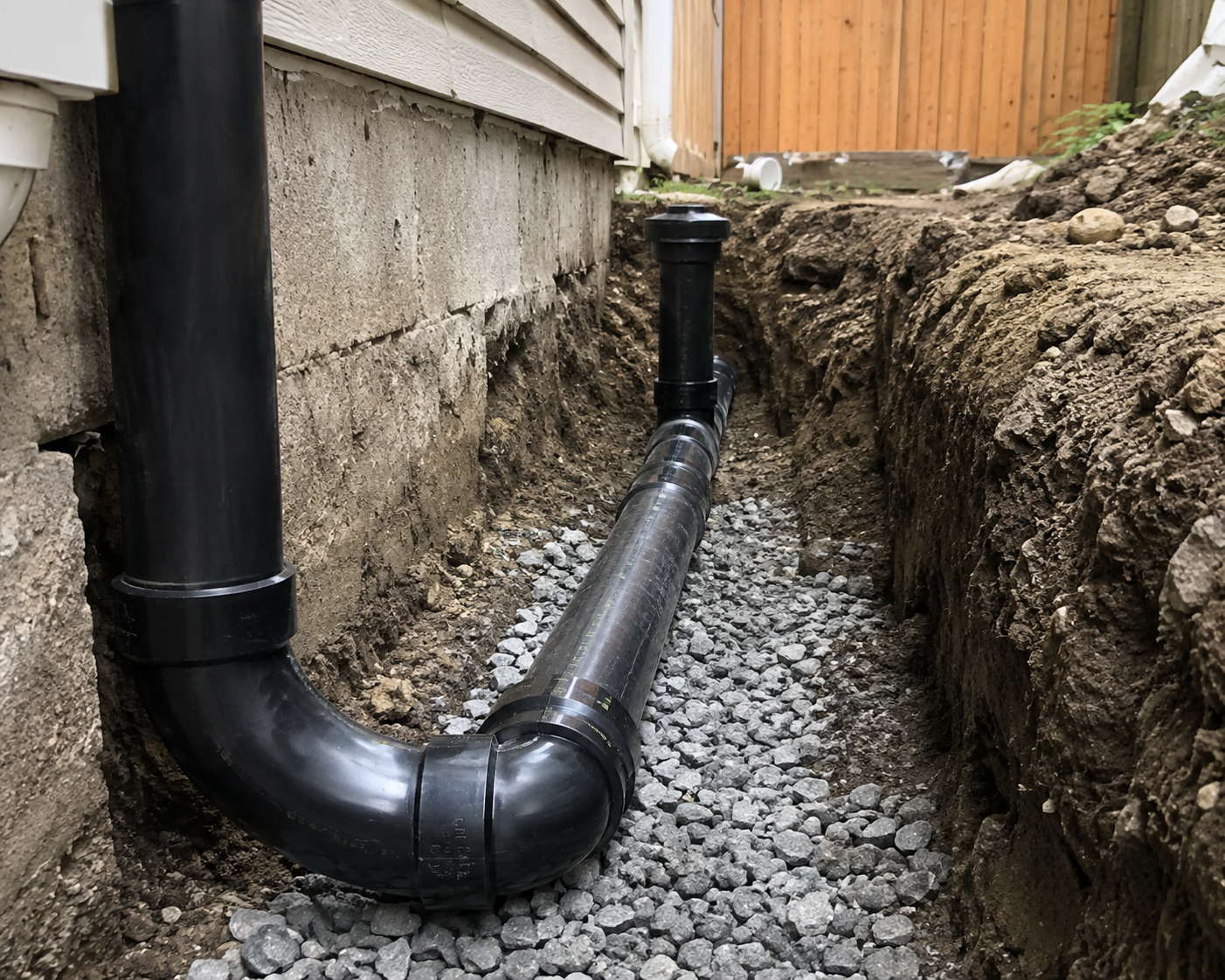
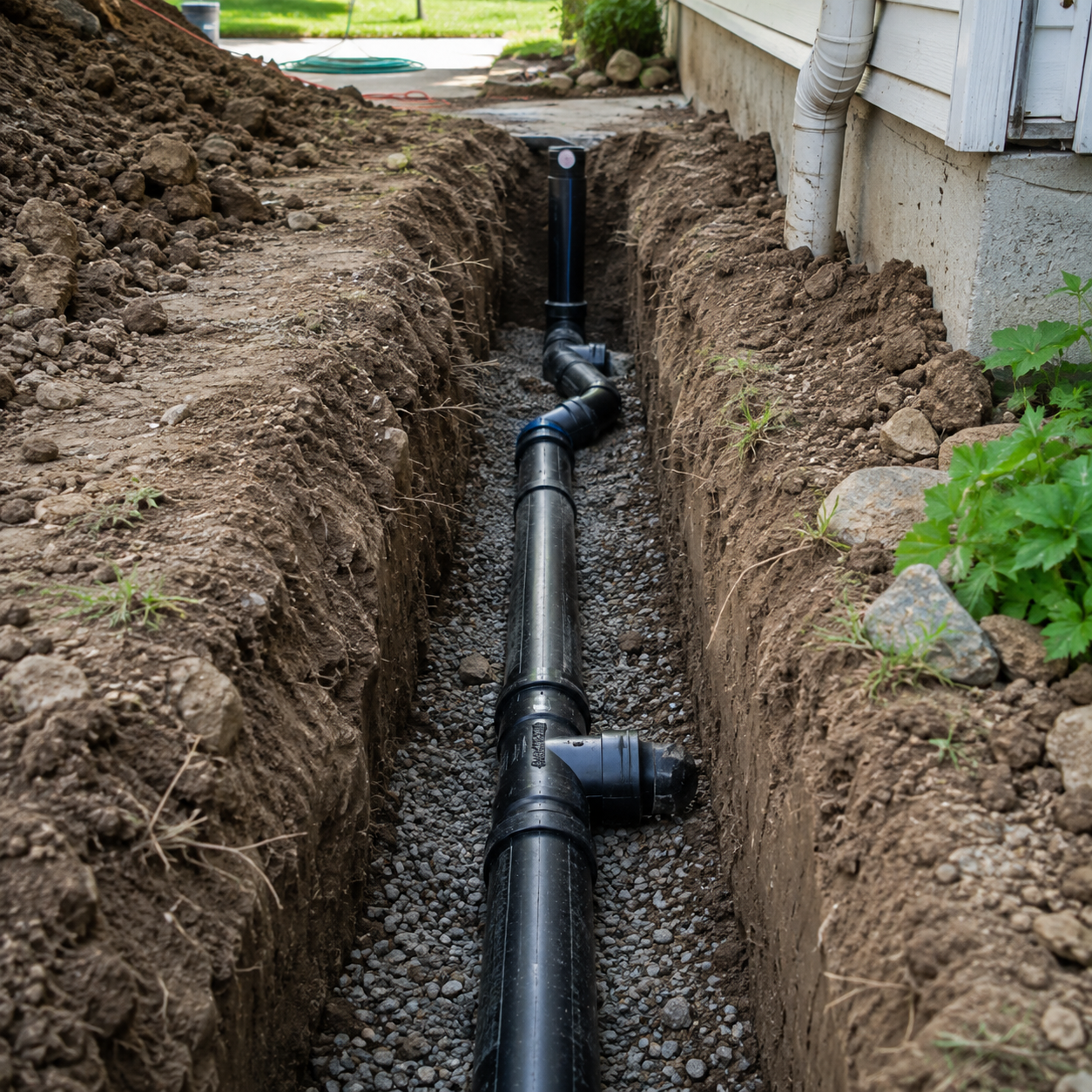
Repeat backups are almost never a coincidence. When the lowest drains in a building keep flooding, the cause usually sits underground in a lateral that has cracked, sagged, or filled with roots. Stark Plumbing replaces failing sewer lines across Bend, OR, and throughout Sunriver, Redmond, and Sisters, working from a located, verified failure point so the excavation targets the actual problem instead of a guess.
Sewer projects deserve careful sequencing, from locating and permitting through excavation, replacement, inspection, and restoring the surface above. Our licensed and insured crew brings 28+ years of Central Oregon experience, operates under Oregon CCB #222421, and coordinates with local utilities before anything is opened up. Financing is available for larger replacement projects. Describe what you have been dealing with through our contact page, and we will arrange an assessment of the line and a clear plan.
Sewer Lines We Replace
Full Sewer Lateral Replacement
When the line has failed along most of its length, replacing the entire lateral from building to main is the durable answer. New pipe with consistent slope and modern joints ends the pattern of recurring problems rather than postponing it another year.
Permitting and Code Compliance
Sewer replacement is permitted work in Central Oregon, and we handle that paperwork from the start. We pull the permit, call in utility locates before anything is opened, and schedule the inspection so the new line is signed off and properly documented before the trench is closed.
Spot Repairs and Section Replacement
Not every failing line needs replacing end to end. When one damaged section sits in an otherwise sound pipe, replacing that stretch restores flow for a fraction of the cost and disruption of a full replacement.
Root Intrusion Removal
Roots find joints and then keep growing until flow stops entirely. We cut the intrusion back, assess how much pipe wall remains intact, and recommend either replacement or ongoing maintenance depending on the condition of the pipe wall we uncover.
Cleanout Installation
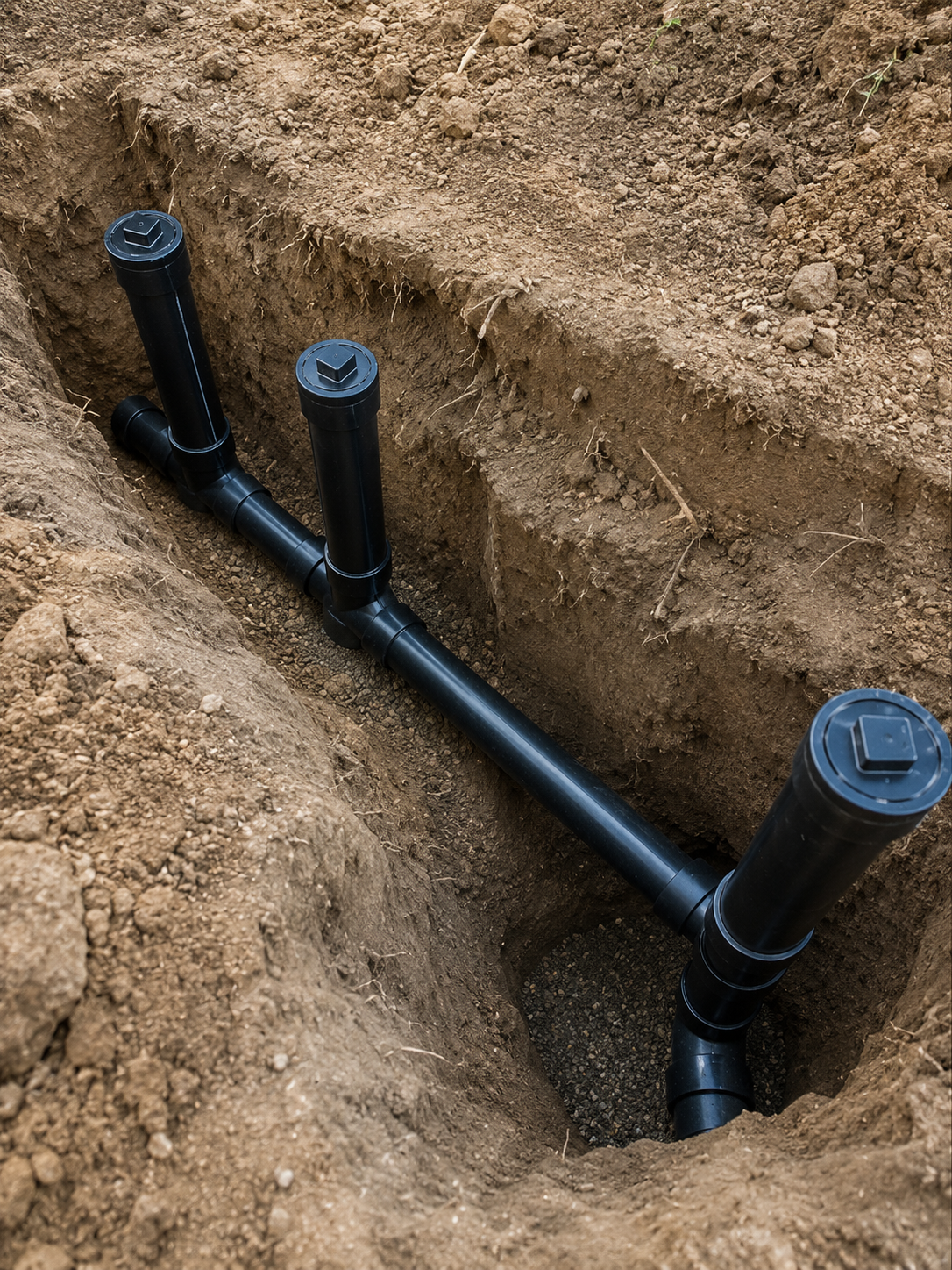
An accessible cleanout turns future service from an excavation into a 15-minute visit. We add one at the right location and depth during the replacement, giving every technician who follows a proper access point to work from.
Backfill and Surface Restoration
Trenches get backfilled in compacted layers so nothing settles into a trench-shaped dip six months later. We restore the surface as closely as the work allows and leave the site genuinely clean rather than merely filled in.
How Replacement Prevents Recurring Sewer Problems
An End to Repeat Backups
Snaking a line buys weeks, sometimes months, and never fixes a broken pipe. Replacement addresses the actual defect, which means the recurring emergency calls, the ruined weekends, and the standing water in the lowest bathroom all finally stop for good.
Protection From Property Damage
A leaking lateral saturates soil, undermines foundations, and can push waste water into crawl spaces. Replacing the failed pipe removes a slow, hidden source of structural and sanitary damage that gets considerably more expensive the longer it continues.
Healthier Yard and Foundation
Constant seepage kills lawn in patches, attracts roots toward the leak, and keeps the ground beneath the structure damp. A sealed line lets the soil dry out and stops feeding the root systems that caused the failure originally.
Modern Materials That Last
Clay and cast iron eventually surrender to roots and corrosion. Modern PVC and HDPE resist both, use far fewer joints, and are rated for service lives measured in generations rather than in the few decades their predecessors managed underground.
Smoother Home Sales
A recent, permitted sewer replacement takes one of the scariest line items off an inspection report. Buyers relax, lenders stop asking questions, and the negotiation stays focused on the house itself rather than on what might be buried.
Fewer Emergency Calls
Aging laterals fail at inconvenient hours, usually with a full house and no warning. Replacing the pipe on your own schedule, in daylight, with a plan, costs less and disrupts far less than reacting to an overflow at midnight.
Solid Ground Under Everything You Do Not See
Nobody plans to think about their sewer lateral, and that is exactly the point. When the line is sound, drains clear, the yard stays dry, and the lowest bathroom in the building stops being a liability. Getting there means an accurate diagnosis first, a plan second, and new pipe that will comfortably outlive the mortgage. Stark Plumbing has replaced laterals under driveways, gardens, and mature trees across Bend, OR, and we restore the surface above as carefully as we lay the pipe below it. Describe the symptoms you are seeing through our contact page and we will arrange an assessment of the line.
Frequently Asked Questions
How long does a sewer line last?
Clay and cast iron laterals typically last 50 to 60 years, while modern PVC and HDPE are rated well beyond that. Soil conditions, tree proximity, and the original installation quality can shift those numbers considerably in either direction.
How do you know where a sewer line has failed?
Backup history, drain behavior, and the age and material of the lateral narrow it down quickly, and a camera inspection by a specialist confirms the exact point and depth. We work from that report, so the excavation goes straight to the failure.
Is trenchless sewer replacement possible on every property?
No. Pipe bursting and lining need suitable access pits, reasonably straight alignment, and soil conditions that cooperate. Where those conditions exist it is far less disruptive, and where they do not, conventional excavation remains the more reliable option.
Who is responsible for the sewer lateral, the homeowner or the city?
Property owners generally own the lateral from the building to the connection at the public main, though the exact boundary varies by jurisdiction. We verify the local rule before starting, so responsibility is clear to everyone involved from the outset.
How long does a sewer line replacement take?
Trenchless methods often finish in one to two days, while conventional dig-and-replace typically runs three to seven depending on length, depth, and access. Stark Plumbing factors permits and utility locates into every Bend, OR project schedule.
Can tree roots be removed without replacing the sewer line?
Cutting roots restores flow temporarily, but they return through the same joint they entered. If the pipe wall is still sound, maintenance is reasonable; if the joint itself has failed, replacement is the only lasting answer.
Do I need a permit to replace a sewer line?
Yes, and an inspection follows before the trench is closed. Stark Plumbing pulls those permits and coordinates the inspection for sewer replacements across Bend, OR, so the finished work is properly documented for whoever owns the property next.
What is a sewer cleanout and do I need one?
A cleanout is a capped access point that lets a technician reach the lateral without digging or coming through a fixture. If your property lacks one, adding it during the replacement makes every future service call dramatically simpler.
What our customers have to say...
Testimonials